
Picture a small Canadian nonprofit that runs a food program. Staff race from meetings to phone calls, trying to keep up with grants, volunteers, and reports. The website sits in another browser tab, waiting for attention, while nonprofit website maintenance keeps slipping down the list. That scene is common across charities and community groups from coast to coast to coast.
That quiet website does a lot more than most boards realize. For many donors, volunteers, grant reviewers, and community members, it is the first place they learn about the organization. A few seconds on a page can shape their trust, their sense of professionalism, and even their decision to give or get involved.
Most nonprofits in Canada operate on tight budgets and with very lean teams. It feels normal to delay plugin updates, skip backups, or ignore a slow contact form because there is always a more urgent community need. Yet an old, broken, or hacked site can damage trust and cost real money at the worst time. It can also raise questions about privacy, accessibility, and basic data care.
This article walks through what website maintenance means for a nonprofit, why it matters so much, and how to build a realistic plan. Along the way, it shows how Happy Bits supports nonprofits with WordPress Care Plans, so your team can focus on programs while your site stays safe, fast, and ready to welcome the people you serve.
Key Takeaways
- A nonprofit website is a mission tool, not just a brochure. It introduces your work to donors, partners, and community members. When it loads quickly and feels current, people feel safe giving and getting involved. When it looks ignored, trust fades fast.
- Website maintenance covers much more than looks. It includes security updates, backups, performance checks, mobile layout, and content accuracy. Each part protects visitors and supports funding goals. Skipping these parts turns small issues into emergencies.
- Nonprofits face real limits on time and money. Staff and volunteers change often, and no one wants a full-time tech job. A structured Care Plan with a trusted partner, such as Happy Bits, removes that stress. Your team keeps control of content while experts handle the heavy lifting in the background.
- Proactive maintenance costs less than emergency repair work. A modest monthly care plan protects donations, protects data, and avoids panic during campaigns. Treat your nonprofit website like a core asset, not an afterthought, and it will keep working for your mission every day.
Why Your Nonprofit’s Website Is More Than Just a Digital Brochure
It helps to think of your nonprofit website as a staff member who never sleeps. It speaks for your mission at midnight, accepts donations on a long weekend, and answers questions when your office phones go to voicemail. If that “staff member” freezes, breaks, or vanishes, the nonprofit feels it right away.
For Canadian donors and funders, first contact often happens online. An outdated, slow, or error-filled site can suggest that a nonprofit may be disorganized or behind on other systems as well. On the other hand, a clear and modern site signals that the organization is trustworthy, dependable, and expert in its field, which aligns with how Happy Bits designs and maintains websites.
Nonprofits also serve many groups at once. A single website often needs to meet all of these needs:
- Donors look for impact stories, financial transparency, and an easy way to give.
- Volunteers want simple sign-up forms, schedules, and contact details.
- Media contacts need quick access to background information and recent news.
- Community members and clients look for services, eligibility details, and event dates.
A well-maintained site helps all of them reach what they need without confusion or frustration.
Modern fundraising depends heavily on this online “front door.” Donation pages, peer-to-peer campaigns, and ticket sales all run through your site. When pages load slowly, forms break, or payments feel unsafe, people abandon the process, and your nonprofit loses support.
- A healthy nonprofit website feels current and cared for. Pages load quickly, links work, and donation forms feel simple and secure. Visitors can find program details, recent news, and clear contact information with ease. This steady experience builds quiet confidence in your work.
- A neglected nonprofit website sends very different signals. Outdated events, broken images, and warning messages about insecure pages make people hesitate. They may wonder if their payment data will be safe or if programs are still active. Many of them leave without filling out a form or making a gift.
What Website Maintenance Actually Involves for Nonprofits
Website maintenance is not a single task that appears once a year on a board agenda. It is more like basic care for a vehicle that your nonprofit depends on. Some items happen weekly, some monthly, and others a few times a year, but they all work together to keep your site safe and effective.
For nonprofits that use WordPress, the most common platform in this space, maintenance covers several key areas. Security, performance, and content all play a part. When one area is ignored, it can affect the rest, which is why many organizations choose an ongoing Care Plan instead of dealing with issues only when something breaks.
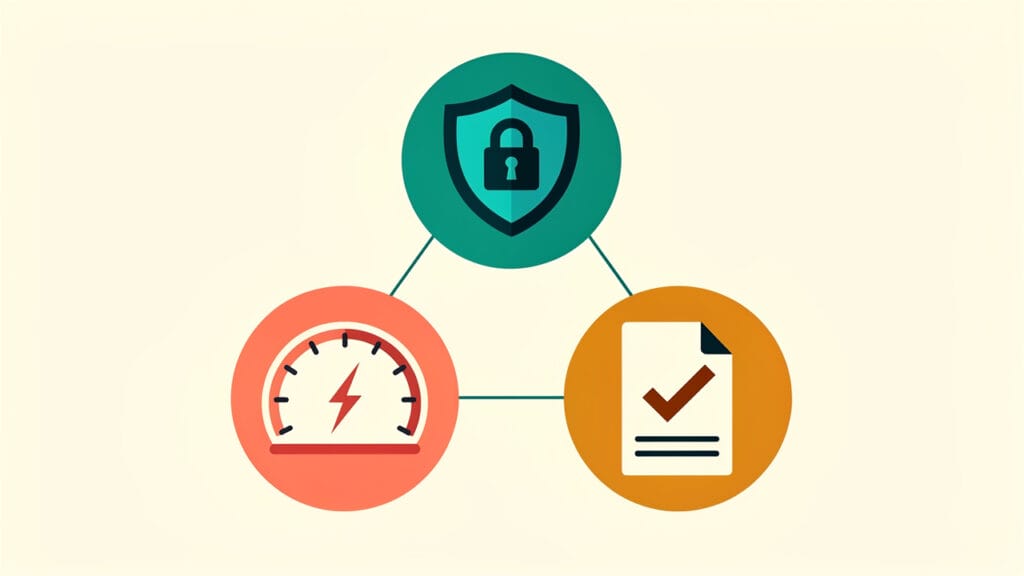
To keep things simple, you can think of nonprofit website maintenance in three main groups:
- Security and protection
- Performance, speed, and mobile experience
- Content and accuracy
Security Updates and Threat Protection
Nonprofits may feel “too small” to attract hackers, yet they often hold exactly the information attackers want. Donor details, payment records, email lists, and client data can all have value. That makes a nonprofit website a very real target.
WordPress sites rely on core software, themes, and plugins that need regular updates. These updates often fix known security holes. When they sit for months or years, attackers can use those holes to take control of the site or steal information. Outdated software is the number one cause of WordPress hacks.
Good website security for nonprofits usually includes:
- Keeping WordPress core, themes, and plugins updated
- Using strong passwords and two-factor authentication for admin accounts
- Running security scans and malware checks
- Limiting login attempts and blocking suspicious activity
- Using an SSL certificate across the site
Happy Bits offers WordPress Maintenance and Care Plans that keep all parts of a site current and secure. Regular updates pair with automated backups, so there is a safe copy ready if anything goes wrong. With this kind of protection in place, a nonprofit can feel far more confident about the data it holds.
Performance, Speed, and Mobile Responsiveness
More than half of web visits now come from phones and tablets. If a nonprofit website does not work well on small screens, many visitors never see the full message. Slow-loading pages add another barrier, especially when someone clicks through from social media or an email appeal and expects an instant response.
Performance maintenance focuses on real visitor experience, not just numbers in a report. It often includes:
- Image optimization so photos look sharp without being too large
- Caching and content delivery settings so repeat visitors see pages faster
- Database clean-up so the site does not carry years of unused data
- Regular checks of Core Web Vitals and similar performance indicators
It also checks how the site behaves on many screen sizes, from large monitors to small phones.
Happy Bits places a strong focus on an extensive testing process to ensure websites remain dynamic and adaptable across devices. For a charity, that means donors can complete a gift, volunteers can sign up for shifts, and families can read program details with the same ease on any screen.
Content Updates and Ongoing Relevance
Technical tasks matter, yet content can quietly damage trust when it falls out of date. Program pages that mention old hours, event calendars stuck on last year, or donation links that no longer work all send the wrong message about a nonprofit.
Content maintenance includes:
- Regular checks of key pages, links, forms, and calls to action
- Updating program information, hours, addresses, and staff lists
- Adding fresh impact stories, photos, and news
- Reviewing donation pages to confirm that amounts, methods, and messages still fit
Many Happy Bits clients handle the writing and stories themselves while relying on Happy Bits to keep the design and systems ready for easy content changes. This split keeps the mission voice with your team while technical support stays with specialists.
The Unique Website Maintenance Challenges Nonprofits Face
Most nonprofit teams do not have someone with “website maintenance” in their job title. Communications staff, program leads, or even executive directors often become the default tech person on top of many other duties. With tight budgets and grant restrictions, hiring a full-time web expert rarely feels possible.
Nonprofits run into several common website challenges:
- Limited time and capacity
Website tasks compete with client meetings, fundraising, and reporting. Even simple fixes can wait weeks. - Staff and volunteer turnover
Many nonprofits have one person who “knows the website” and then moves on. Passwords are missing, hosting details are unclear, and no one remembers which plugin does what. When a problem appears, the team feels stuck and stressed because the knowledge left with that person. - Slow decision-making
Updating content or design may need sign-off from committees or a board. Without a clear process, even simple fixes on the site can drag on. Over time, these delays add to a sense that the website is hard to change or manage. - Accountability and compliance pressures
Canadian nonprofits answer to the Canada Revenue Agency, funders, partners, and the public. A security breach that exposes donor data or client information can lead to serious legal and reputational harm. A simple maintenance task missed months earlier can grow into this kind of crisis. - Keeping up with technology and standards
New security practices, accessibility rules, and online fundraising tools appear all the time. It is no surprise that websites fall behind while the nonprofit pours energy into programs.
Falling behind on your website is not a sign of neglect. It is a sign that your team is focused on your mission. That is exactly why having a trusted maintenance partner matters.
“Technology is a great servant but a terrible master.” — Stephen R. Covey, author of the “The 7 Habits of Highly Effective People”
A structured WordPress Care Plan offers that partner. Instead of rushing after problems, a nonprofit can rely on ongoing care that fits its reality and frees staff to do the community work they are meant to do.
How Happy Bits Supports Nonprofits With WordPress Care Plans
Happy Bits works with nonprofits, small businesses, and larger organizations across Canada to build and maintain online presences that people trust. The team understands that a website is not just a design project. It is a tool that must support real goals such as raising funds, sharing stories, recruiting volunteers, or managing subscriptions.
At the heart of this support are WordPress Maintenance and Care Plans, often described as a hug for your website. These plans keep WordPress sites current, secure, and smooth to use. Instead of worrying about updates or errors, nonprofit leaders gain peace of mind knowing that experts are monitoring the site.
Every engagement at Happy Bits starts with the client’s goals. For a nonprofit, that might mean more online donations, clearer program pages, better newsletter sign-ups, or easier management for staff. Maintenance work then lines up with those outcomes rather than a random checklist. This approach reflects the company’s view that client success matters just as much as its own.
For organizations with more complex needs, Happy Bits steps in as a technical partner. The Christian Courier project offers a strong example. Happy Bits migrated the publication from an older Expression Engine system to WordPress, set up WooCommerce for automatic billing and subscription management, and migrated all content to a more flexible setup. That same team continues to provide maintenance advice and services to keep the site secure and up to date.
Happy Bits also believes in empowering nonprofit teams. Alongside Care Plans, they provide high-quality video tutorials on specific website tasks. Staff members can handle everyday content updates with confidence, while the maintenance plan takes care of deeper technical items such as security, backups, and performance tuning.
Happy Bits Care Plans keep nonprofit websites current, secure, up to date, and supported when complex tasks appear. For many Canadian nonprofits, this mix of proactive care and practical guidance makes the difference between a site that feels fragile and one that quietly supports the mission every single day.
Building a Sustainable Website Maintenance Strategy For Your Nonprofit
A strong maintenance approach starts with a clear picture of where things stand. Before changing anything, take time for a simple website health review. Review security warnings, check WordPress core and plugins, test forms and donation flows, and test the site on a phone and a laptop. Note any pages that feel slow, confusing, or out of date.
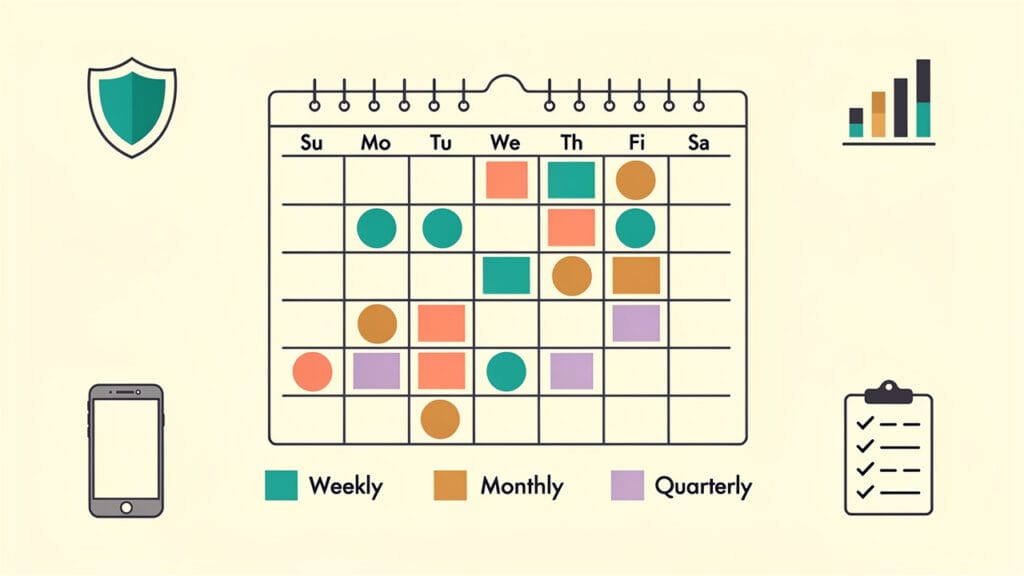
Once you understand the current state, you can break the work into regular tasks rather than one huge project. A maintenance calendar helps your nonprofit spread effort across the year and makes it easier to share duties among staff, volunteers, and partners such as Happy Bits.
|
Frequency |
Task Examples |
|---|---|
|
Weekly |
Check for plugin and theme updates and apply safe ones. Monitor uptime and basic security alerts. Confirm that scheduled backups run without errors. |
|
Monthly |
Review analytics to see traffic patterns and top pages. Test contact forms, donation pages, and sign-up flows from end to end. Spot-check load times on both desktop and mobile. |
|
Quarterly |
Scan all main content pages for accuracy and remove anything that no longer applies. Fix broken links and outdated images. Run an accessibility and performance review to catch new issues. |
|
Annually |
Ask whether the current platform, hosting, and key plugins still meet nonprofit needs. Plan a deeper security review and policy update. Decide whether the information structure or design needs a more extensive refresh. |
It also helps to separate content work from technical work:
- Communications staff can lead on stories, photos, and program updates.
- A technical partner such as Happy Bits can manage updates, backups, uptime, and performance checks.
- Leadership can set priorities for campaigns, major changes, and larger website projects.
This split keeps content close to the people who know the mission best, while specialists handle the riskier items.
Try to act before problems reach donors and clients. Waiting until the week of a major campaign to fix an old plugin or broken theme often leads to stress and rushed choices. A modest monthly investment in planned maintenance or a WordPress Care Plan usually costs far less than one serious outage during a key fundraiser.
Finally, document everything. Store hosting logins, domain details, WordPress admin accounts, and key plugin information in a secure shared location. Include notes about who to call for support, including your contact at Happy Bits if you work with their team. Good records protect your nonprofit when staff or volunteers move on and keep your website stable during changes.
Treat your website maintenance strategy as living planning. You may adjust tasks and timing, but the habit of regular care will keep your site ready for whatever your mission needs next.
Conclusion
A nonprofit website is far more than a nice extra. It acts as an online extension of your staff, sharing your mission, welcoming new supporters, and guiding donors toward action. When that site is healthy and well cared for, it builds trust, supports fundraising, and helps your programs reach the people who need them.
Keeping a website in good shape is real work. Security, updates, backups, speed, and content all demand attention. For lean Canadian nonprofits, that weight often feels heavy, yet falling behind does not mean failure. It simply shows that the team poured energy into the community first.
You do not have to manage every technical detail alone. Happy Bits brings Ottawa-based expertise and Canada-wide support to nonprofits that want dependable WordPress Care Plans. The focus stays on your mission while your site quietly does its part.
Ready to give your nonprofit’s website the care it deserves? Reach out to Happy Bits and explore a WordPress Care Plan designed with your mission in mind.
FAQs
How Much Does Website Maintenance Cost For A Nonprofit In Canada?
Costs vary with the size of the site, the number of features it uses, and how often it needs changes. Some very small nonprofits try to manage updates in-house, while others choose a monthly Care Plan. Many find that managed support from a team such as Happy Bits costs less than hiring technical staff or paying for repeated emergency fixes. The best step is to talk with Happy Bits about a plan that fits both your needs and budget.
How Often Should A Nonprofit Update Its Website?
Core software, themes, and plugins in WordPress should be updated as soon as safe releases are available, which often means weekly checks. Key content pages such as About, Programs, and Donate should be reviewed at least once or twice a year. A full security and performance review at least once a year helps keep the site in line with current standards and expectations.
What Happens If A Nonprofit Neglects Its Website Maintenance?
Ignoring maintenance leaves a nonprofit open to security breaches that can expose donor or client data. Over time, pages slow down, forms fail, and search rankings fall, so fewer people find or trust the site. If this happens during a major fundraising push, the financial impact can be large. Regular care reduces these risks and helps maintain the organization’s online reputation.
Does Happy Bits Work Specifically With Nonprofits?
Yes. Happy Bits partners with nonprofits, individuals, and small businesses across Canada. Their WordPress Maintenance and Care Plans suit organizations of many sizes, including nonprofits with tiny teams that still need safe, reliable sites. The ongoing work with Christian Courier shows how Happy Bits supports mission-driven groups through both complex projects and day-to-day maintenance.